Scope: clip-on and adhesive wheel balance weightsBuyer: North American wheel service distributorStatus: material, tolerance and documents confirmed before the first production order
The request was short: “Clip-on wheel weights, mixed 5 g to 60 g, 2,000 boxes, for the US and Canada. Price?” Not enough to quote. Part of the range was going to states that restrict lead in wheel weights, where a lead-containing shipment could be refused no matter how well it balances. We proposed a lead-free range instead.
Because the weight bodies are made in our own factory, we could confirm the tolerance on each nominal weight with a number, not a promise. We matched the increments to the sizes workshops really use, set clip-on for steel wheels and adhesive for alloys, and checked the documents against the exact material and market.
What changed: the range that went into production was not the one in the enquiry. It moved from lead to lead-free, and part of it moved from clip-on to adhesive. That cost a few days at sampling; left undiscovered, the lead-containing part of the order would not have cleared its market at all.
The full case
The opening request
“Clip-on wheel weights, mixed 5 g to 60 g, 2,000 boxes, for the US and Canada. Price?”
A normal opening. Not enough to quote.
1 · What material?
The buyer said “standard weights.” Standard is the problem. In several markets, lead is restricted or banned in wheel balance weights, and a shipment can be refused on material grounds no matter how well the product performs on the machine.
So we asked where the boxes would actually be sold, market by market. Part of the range was destined for states with material restrictions. A lead-containing product would not have been acceptable there, and the buyer had not yet separated the two. We proposed a lead-free range instead of the “standard” one.
2 · Where we could answer differently from most suppliers
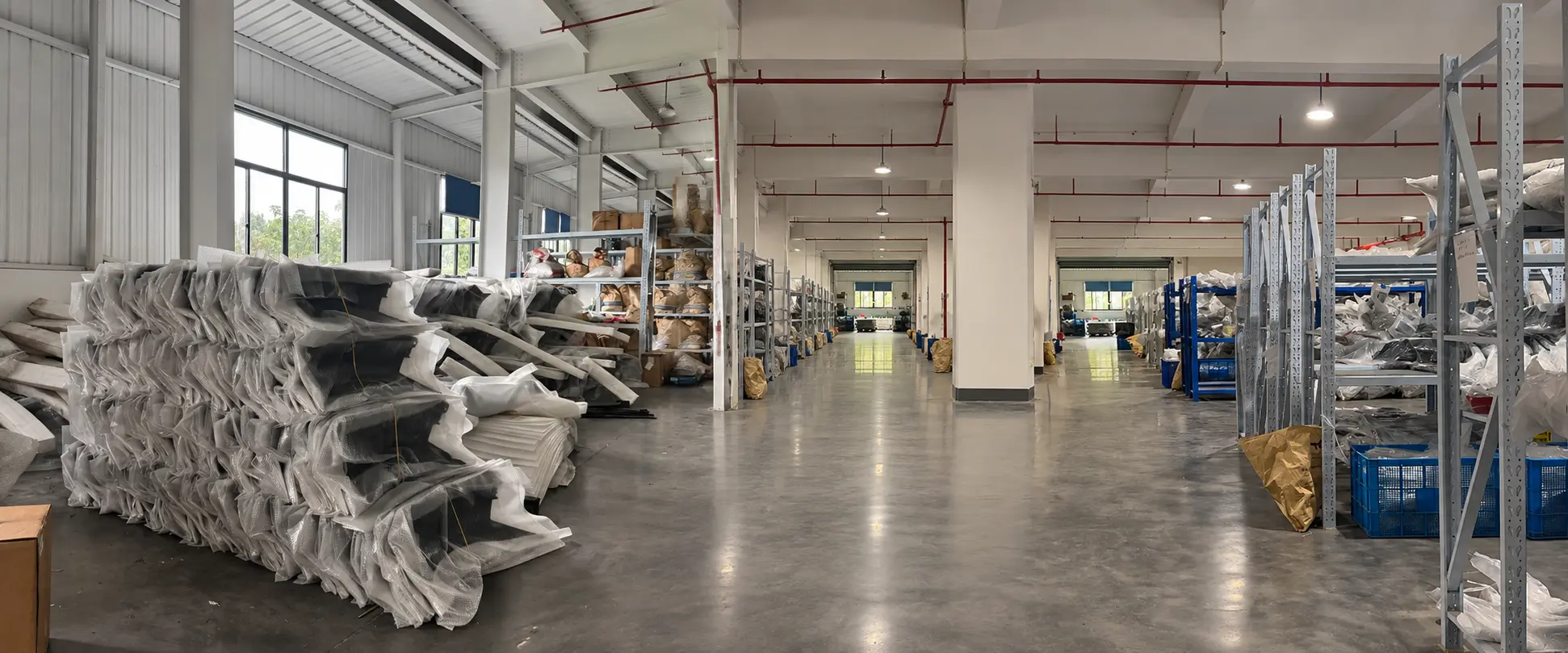
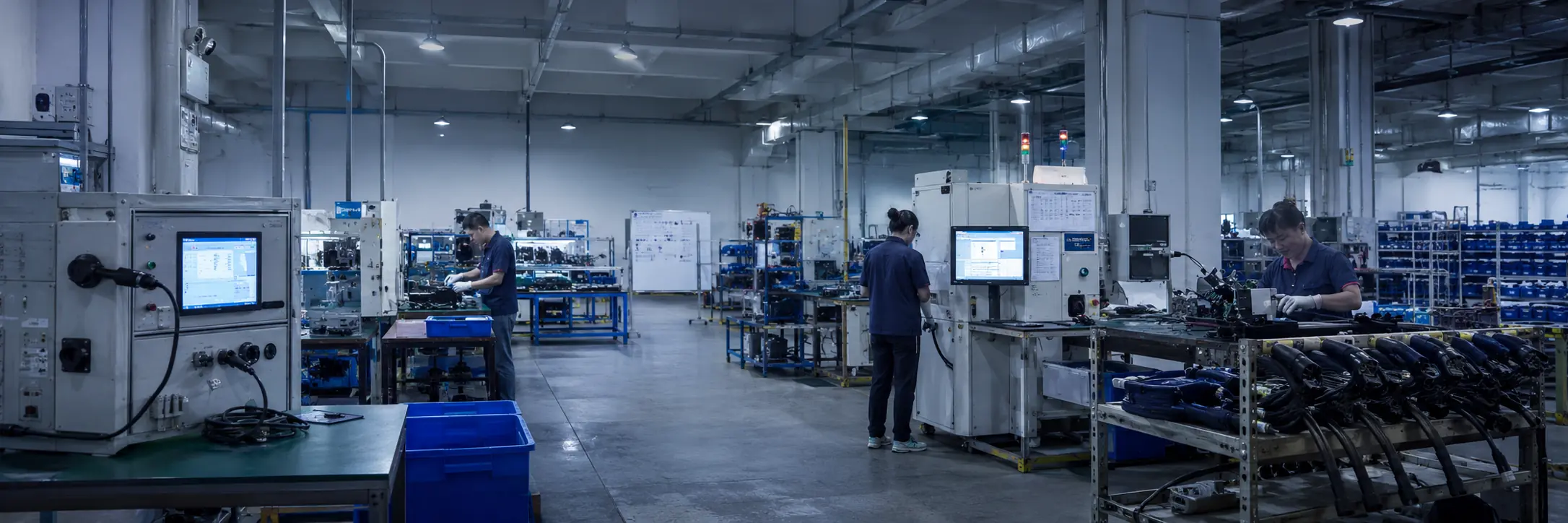
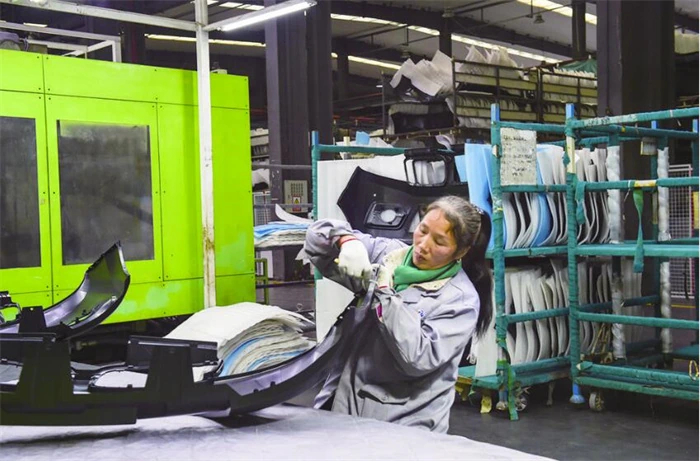
The weight bodies are produced in our own factory, not sourced or traded. The core of the product sits under our own process control, which is why the tolerance question below could be answered with a number instead of a promise.
What we do source: the adhesive tape, the spring clips, and the coating where that process sits outside our plant. Those come from vetted partners, and we say so in the quotation. Being explicit about which part is ours is what makes the part that isn’t ours credible too.
3 · Weight range is not a specification
“5 g to 60 g” defines a range, not a product. Two things decide whether the range works on the buyer’s vehicles: the increments workshops really use (a range that skips everyday sizes generates complaints), and the tolerance on each nominal weight (a 20 g weight that runs heavy or light balances differently, and the workshop blames the wheel). We reviewed the increments against the buyer’s workshop profile and confirmed the tolerance on the sample.
4 · Attachment follows the wheel, not the preference
Clip-on versus adhesive is not a styling choice; it follows the wheel type. Steel wheels take clip-on, alloy wheels take adhesive. The buyer’s range covered both, and the clip had to match the rim profile, not just the weight.
5 · Documents
Material declarations, compliance statements, test reports, labels and box content depend on the exact material and destination market, not the category name. A declaration for one material does not cover another, so we reviewed the documents against the specific product and market rather than sending a generic folder.
What the buyer received
- A lead-free range specified for the markets it would actually be sold in
- A written manufacturing route: weight bodies in-house, tape, clips and coating through vetted partners
- A quotation stating origin, process, tooling ownership, MOQ and lead time
- Weight increments and tolerances confirmed against real workshop use
- A document list matched to the exact material and destination market
- A sample confirmed for weight tolerance, coating, clip retention and packaging before any volume order
Why we tell this story
The core of the product is made in our own factory, which makes the tolerance answer a real one. And the buyer knew, before committing, which part we make, which part we source, and which documents back it. That is what we mean by: know how each product is actually made or sourced before you commit.